The item is in a remote warehouse, delivery time is 2-3 business days. More info
Delivery options - Select at checkout
Shipping @price - GLS
12,00
EUR
42,17
Incl. VAT 52,71
Total incl. delivery
67,71
The function requires that you are logged in. Create a user and use our smart list system to keep track of future purchases, regular purchases or wish lists. Create user Login

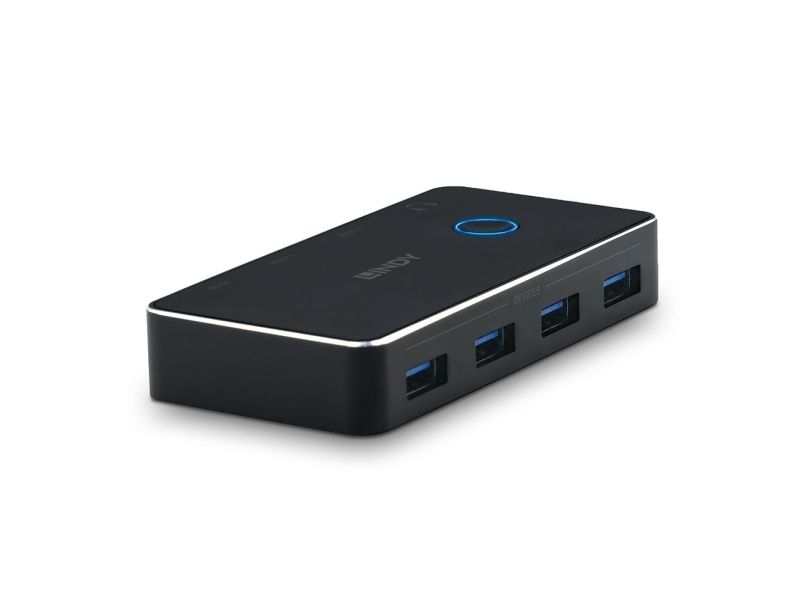
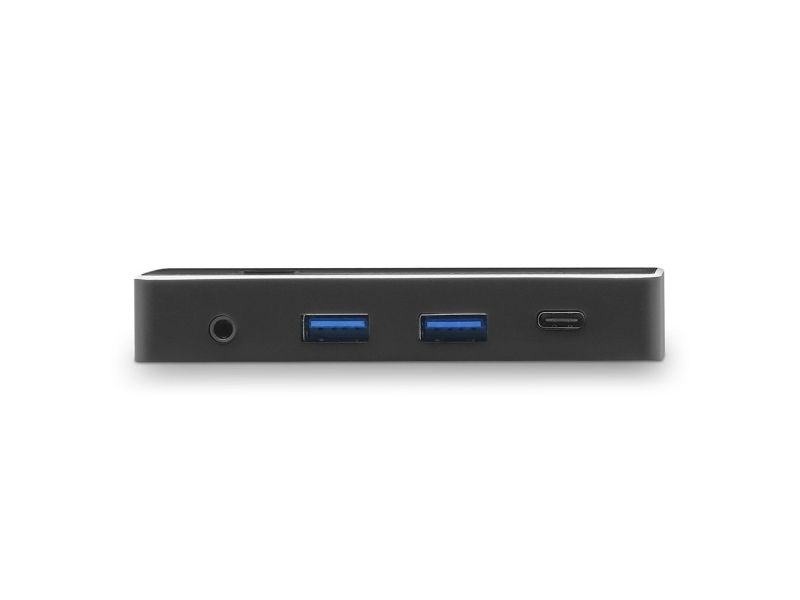
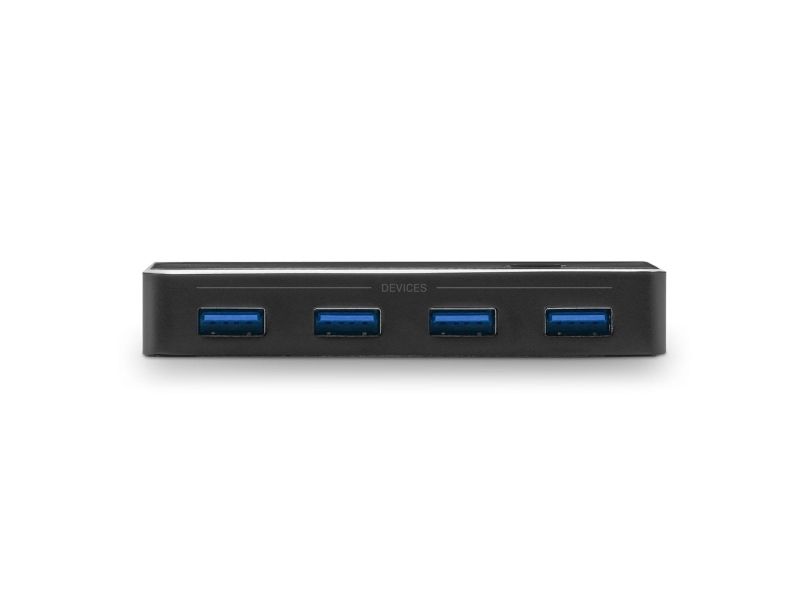
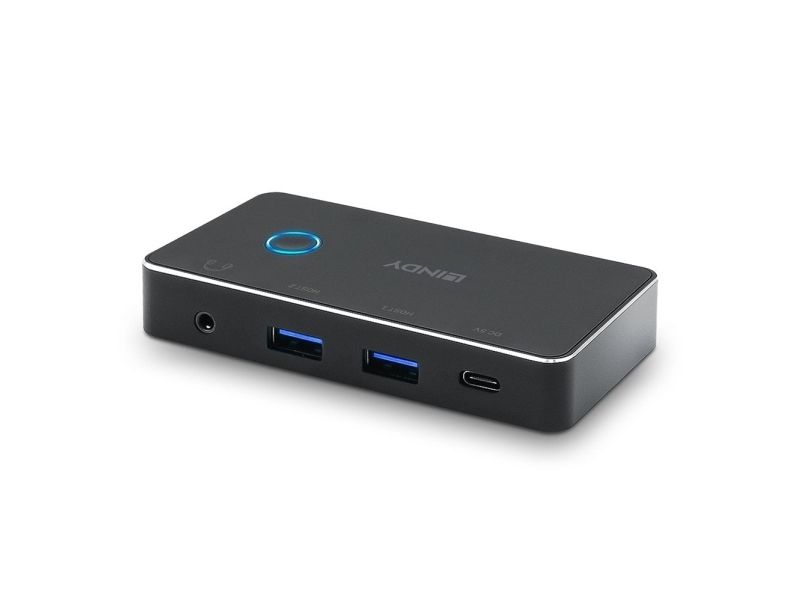
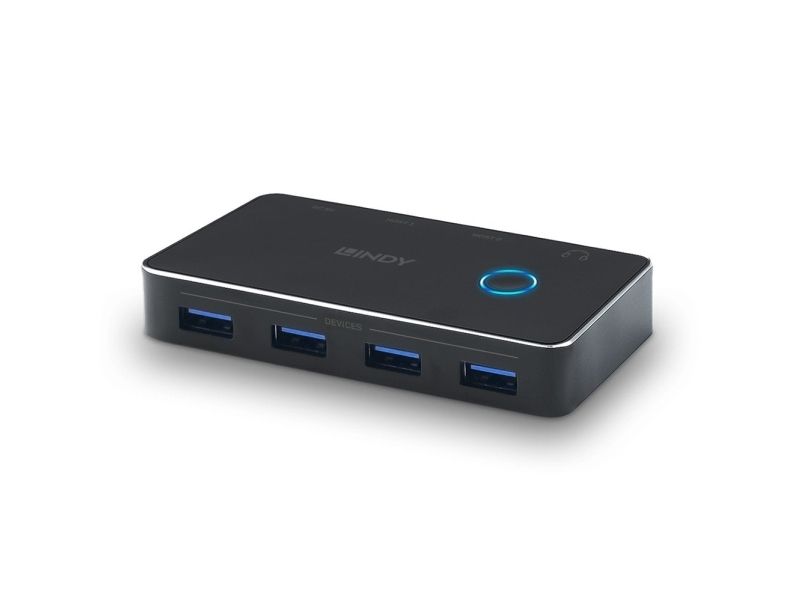
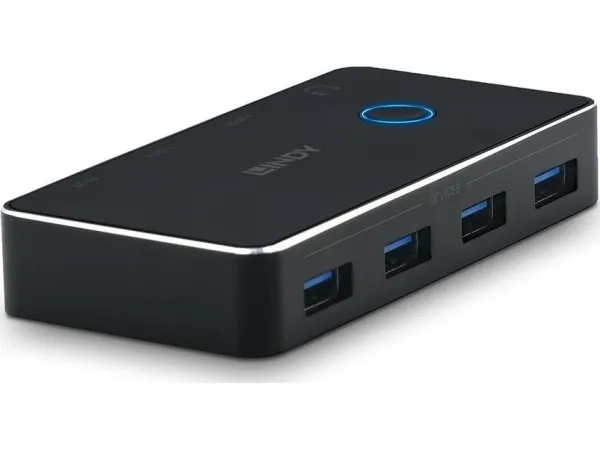
The Lindy USB 3.0 Sharing Switch 2:4 allows up to 2 users to share up to 4 USB 3.0 peripheral devices without the need to repeatedly swap cables or set up complicated network sharing software. The active computer port can be selected by push button. The switch is ideal for sharing a printer, storage device or webcam in office environments. It also allows to share a conference room presentation system like Barco Clickshare between two users. The USB 3.0 Sharing Switch features a 3.5mm Audio output port for connecting speakers or headphones.
The USB 3.0 Sharing Switch is backwards compatible with USB 2.0 and USB 1.1 devices and supports all USB Type A equipped computers - perfect for use with multiple PCs or Macs. The Sharing Switch features a USB Type C socket for an optional power supply (not included).
USB 2.0 ports quantity
0
USB 3.2 Gen 1 (3.1 Gen 1) Type-A ports quantity
6
Maximum data transfer rate
5 Gbit/s
Power connector
USB Type-C
Product colour
Black
Housing material
Acrylonitrile butadiene styrene (ABS), Aluminium
Compliance certificates
CE, Federal Communications Commission (FCC), REACH, RoHS
Operating voltage
5 V
Operating temperature (T-T)
0 - 45 °C
Storage temperature (T-T)
20 - 60 °C
Operating relative humidity (H-H)
20 - 60%
Width
100 mm
Depth
50 mm
Height
16.4 mm
Weight
64 g
Cables included
USB
Package depth
154 mm
Package width
112 mm
Package height
40 mm
Package weight
160 g
Sustainability compliance
Yes
The item is known under the following item numbers in our system
EAN:
4002888433877
SKU:
LIN-43387
Why do I find that the same product is available on different item numbers?
Manufacturers often release the same product with different item numbers, typically just different versions of the packaging. For example, the packaging may be targeted at different countries.
We try our best to unify the products, but it can happen that the same product appears on different item numbers in our system.