The item is in a remote warehouse, delivery time is 5-7 business days. More info
Delivery options - Select at checkout
Shipping @price - GLS
12,00
EUR
242,08
Incl. VAT 302,60
Total incl. delivery
317,60
Add to list
The function requires that you are logged in. Create a user and use our smart list system to keep track of future purchases, regular purchases or wish lists.

Novelty 2026: Versatile Power on Main and Branch Lines – Class 215
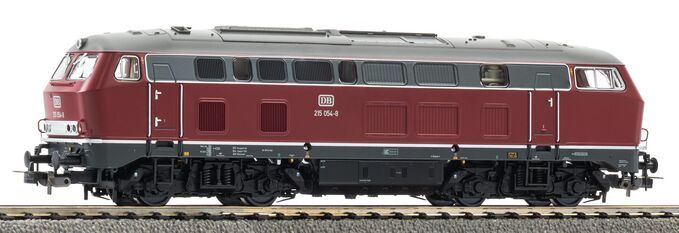
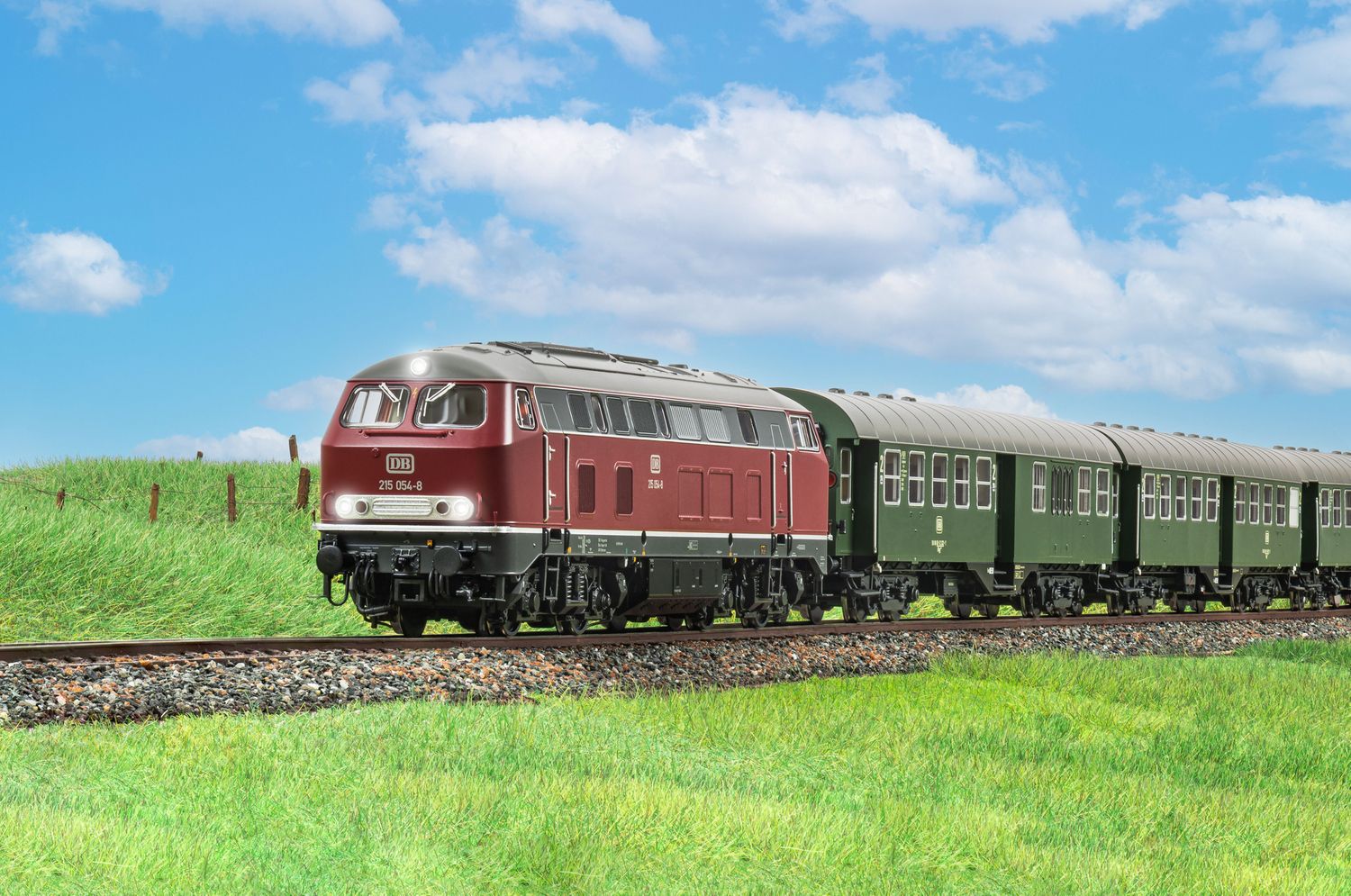
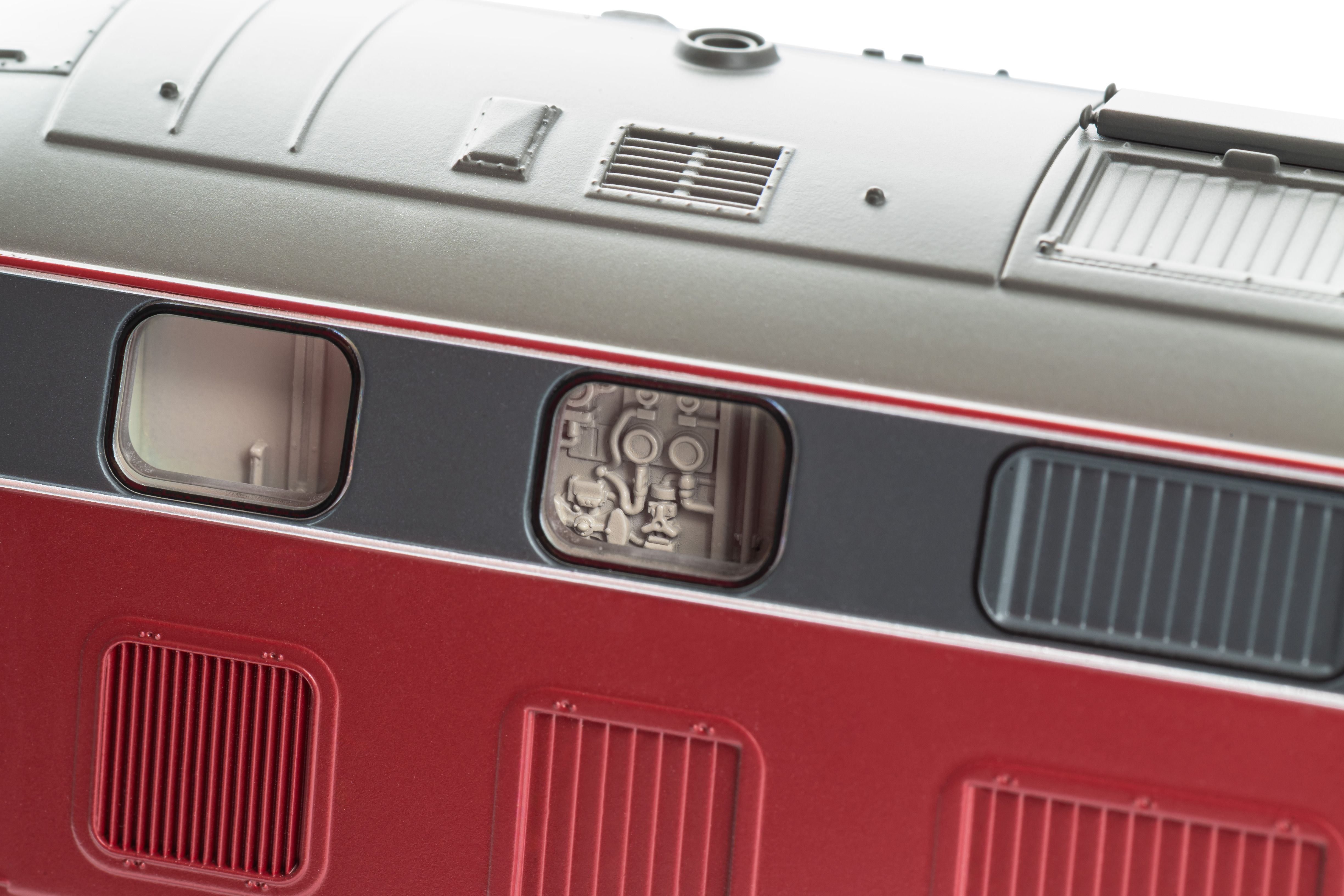
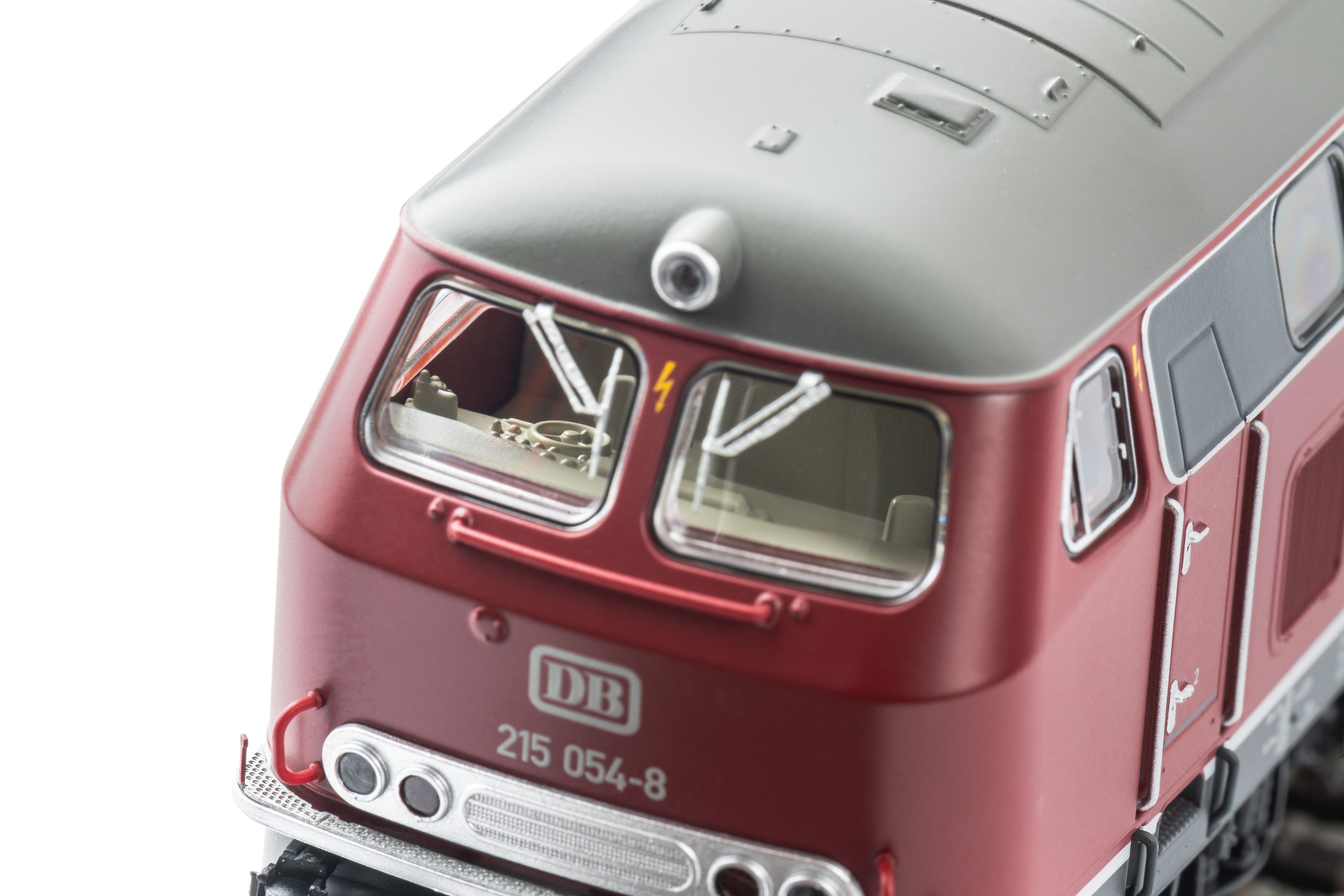
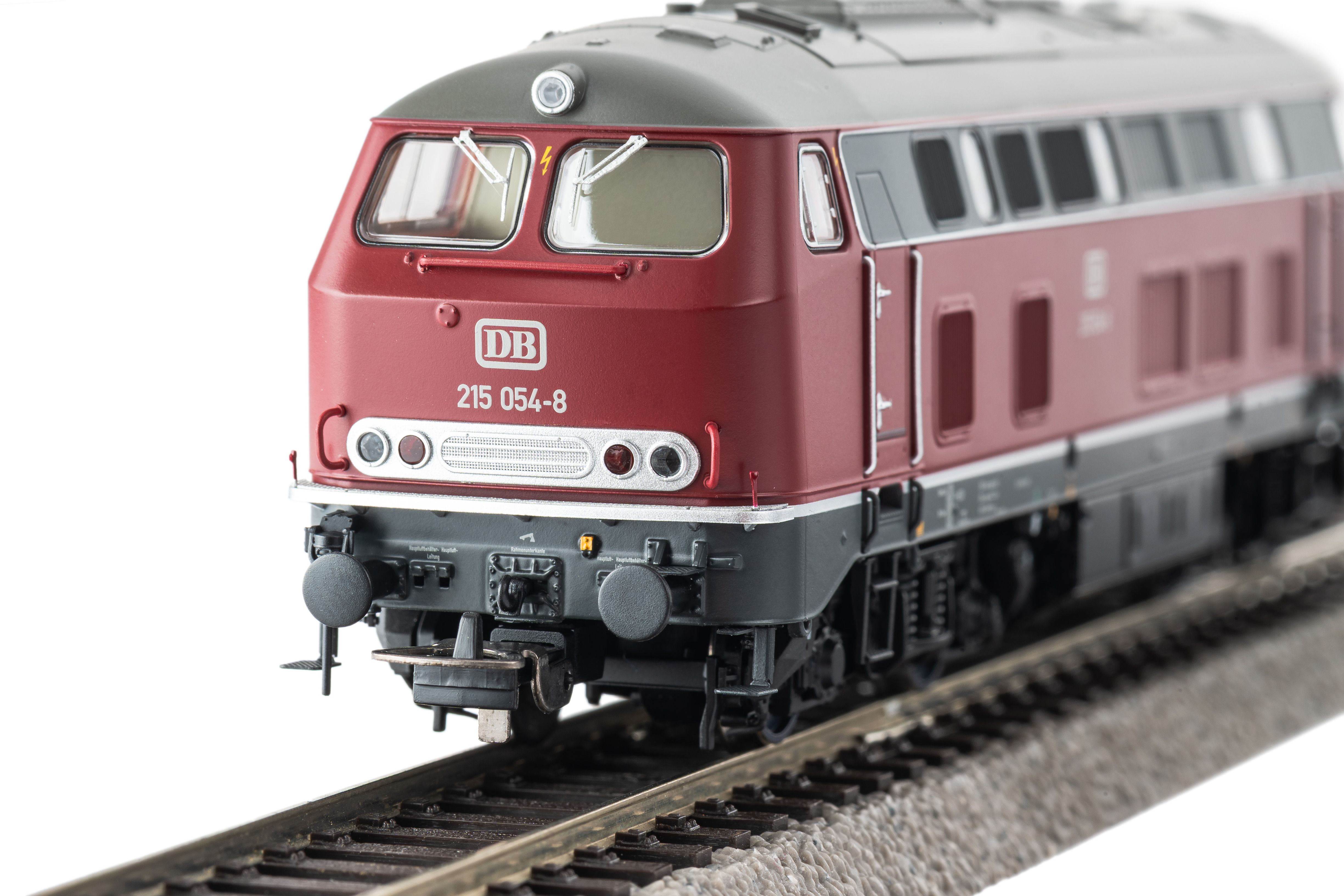
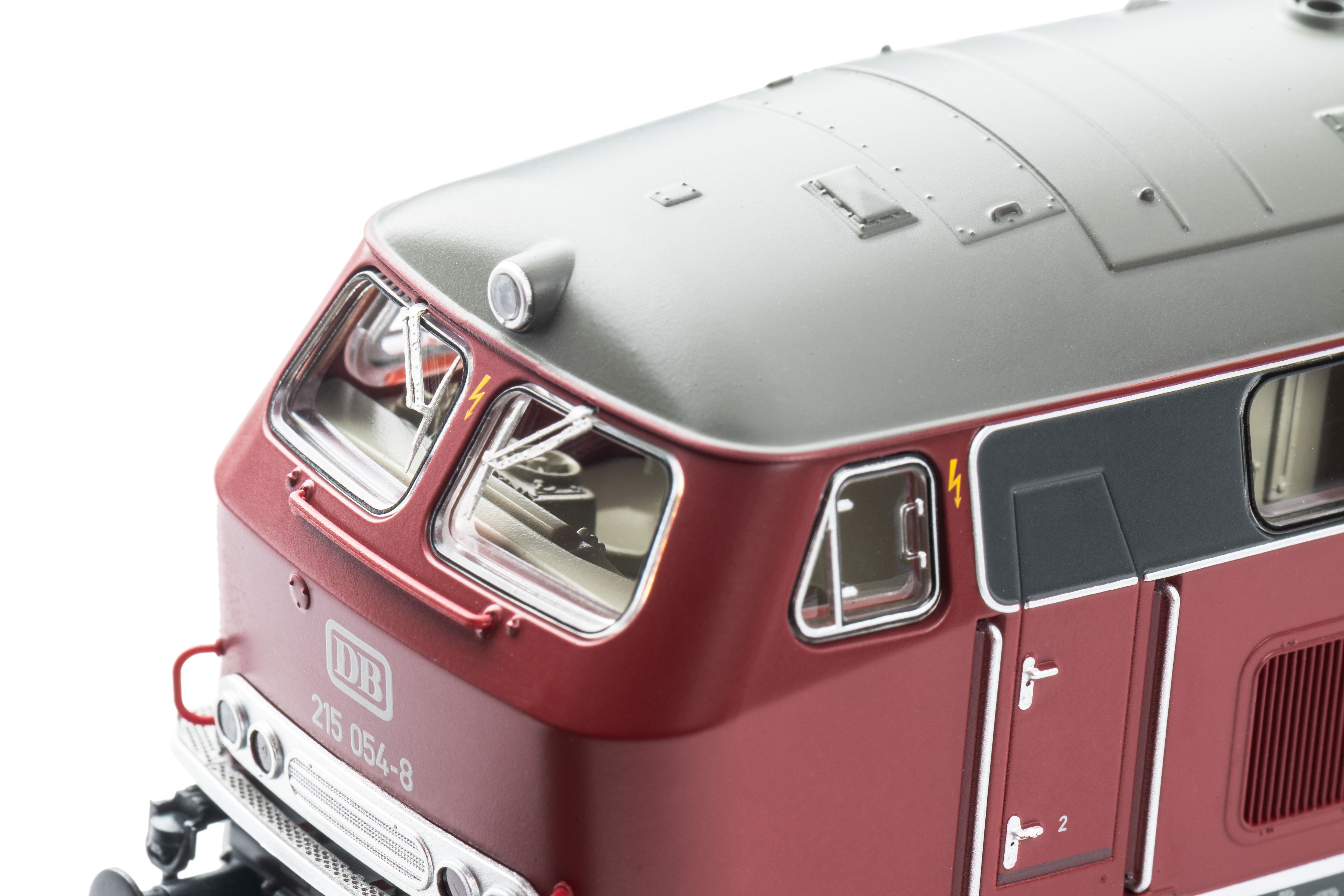
The Class 215 is a diesel-hydraulic locomotive of the Deutsche Bundesbahn, built between 1968 and 1971 for passenger and freight services. Based on the proven V-160 platform, it impresses with flexibility and reliability on main and branch lines. Equipped with through-pass boilers for steam heating of passenger cars and an auxiliary diesel engine for battery charging, the Class 215 proved itself across all train types – from the Eifel region over the Lower Rhine to the Lake Constance area. With exhaust hoods for air-conditioned cars and the option for later conversion to Class 218, it demonstrates technical foresight and comfort awareness. After more than 30 years in service and the conversion of some locomotives to Class 225, the Class 215 remains a symbol of versatility, efficiency, and durability in German rail transport.
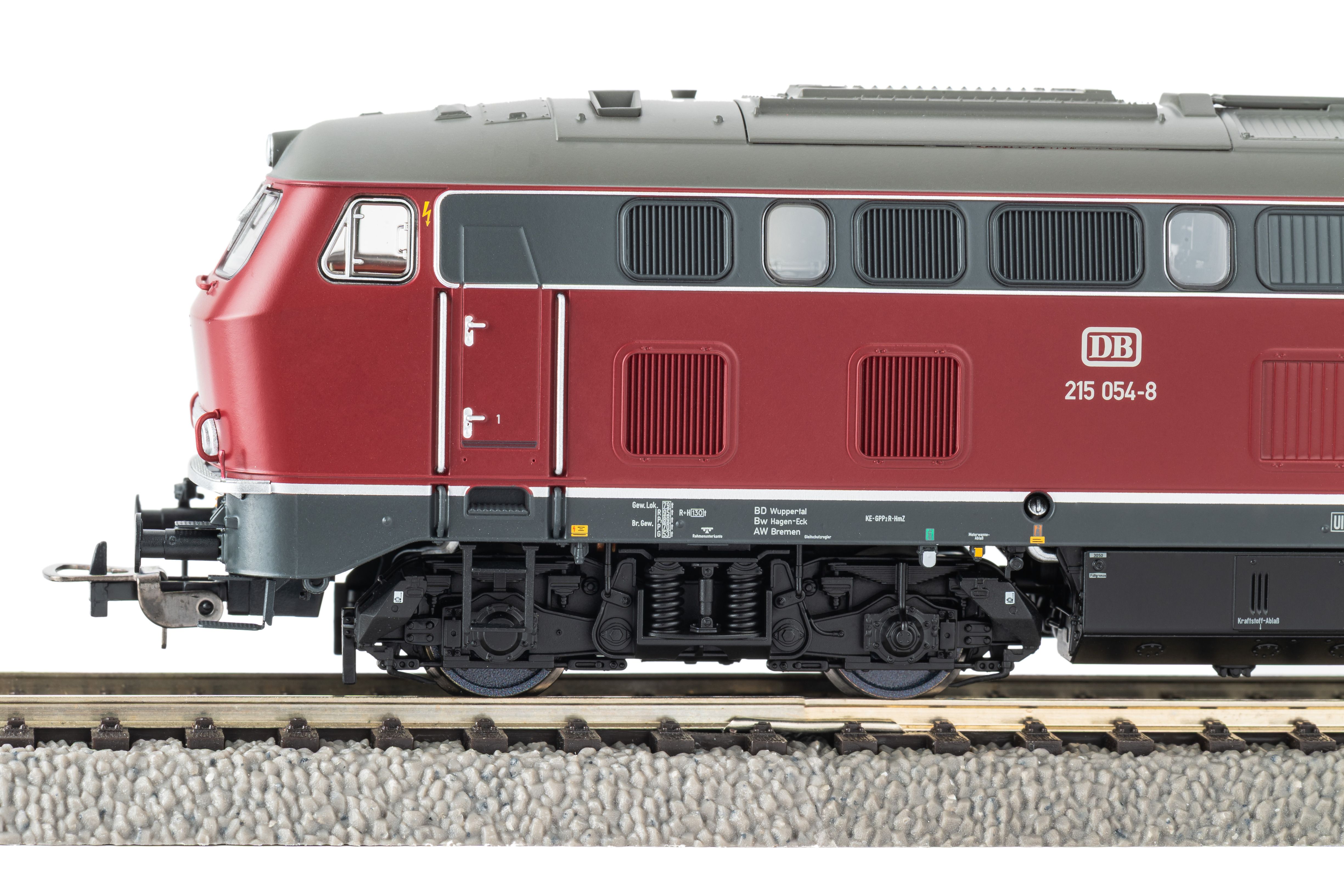
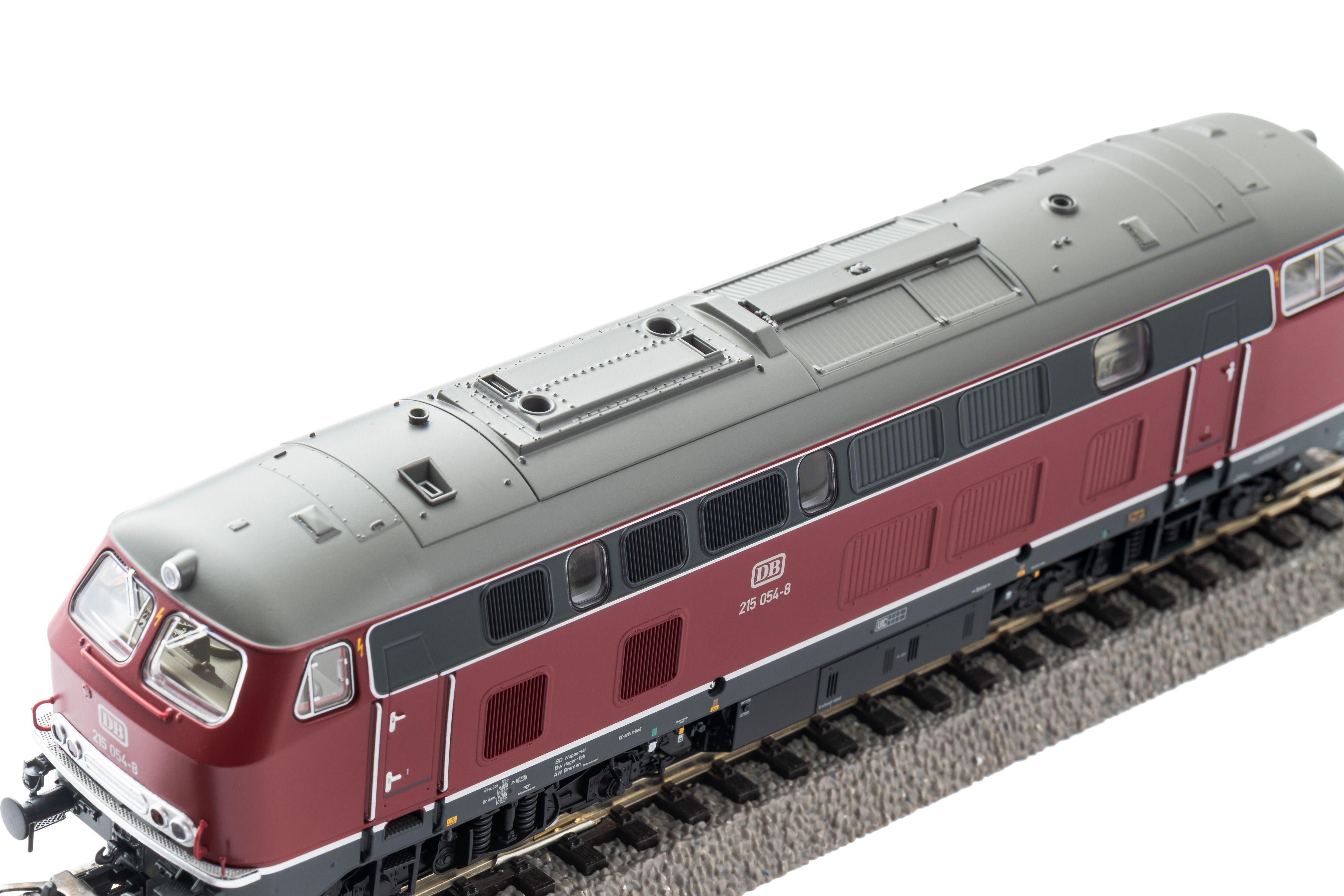
Original version of the prototype with V16-cylinder diesel engine MB 16V 952 | Illuminated control panel | In digital operation with switchable cab lighting | Extra tank and auxiliary diesel exhaust | Fine spring packs, handrails, and steps | Equipped with push-pull connector | Brake hoses and coupling hooks included
Product type
Locomotive model
Construction type
Preassembled
Scale
HO (1:87)
Original model name
BR 215
Suggested gender
Any gender
Recommended age (min)
14 yr(s)
Product colour
Red
Country version
Germany
Lighting
Yes
Length
188 mm
The item is known under the following item numbers in our system
EAN:
4015615220602
SKU:
PIK-22060
Why do I find that the same product is available on different item numbers?
Manufacturers often release the same product with different item numbers, typically just different versions of the packaging. For example, the packaging may be targeted at different countries.
We try our best to unify the products, but it can happen that the same product appears on different item numbers in our system.