The item is in a remote warehouse, delivery time is 5-7 business days. More info
Delivery options - Select at checkout
Shipping @price - GLS
12,00
EUR
56,76
Incl. VAT 70,95
Total incl. delivery
85,95
The function requires that you are logged in. Create a user and use our smart list system to keep track of future purchases, regular purchases or wish lists. Create user Login
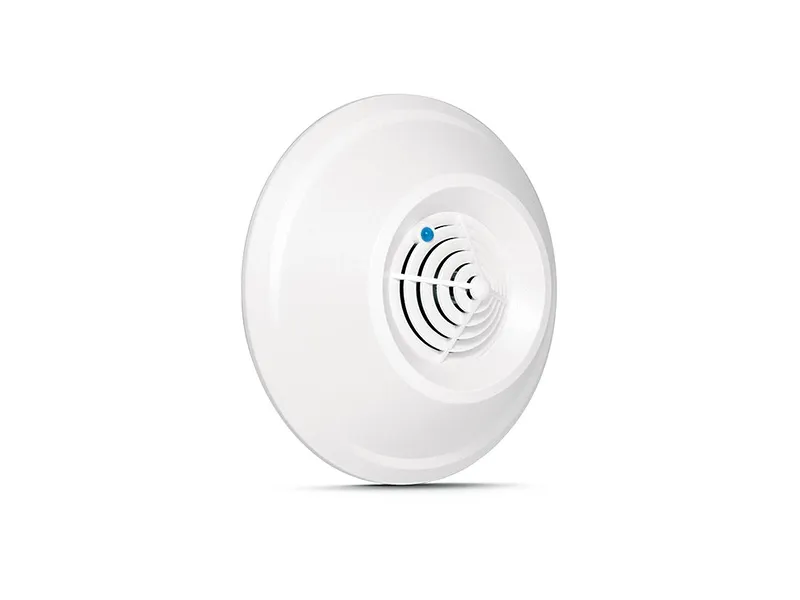
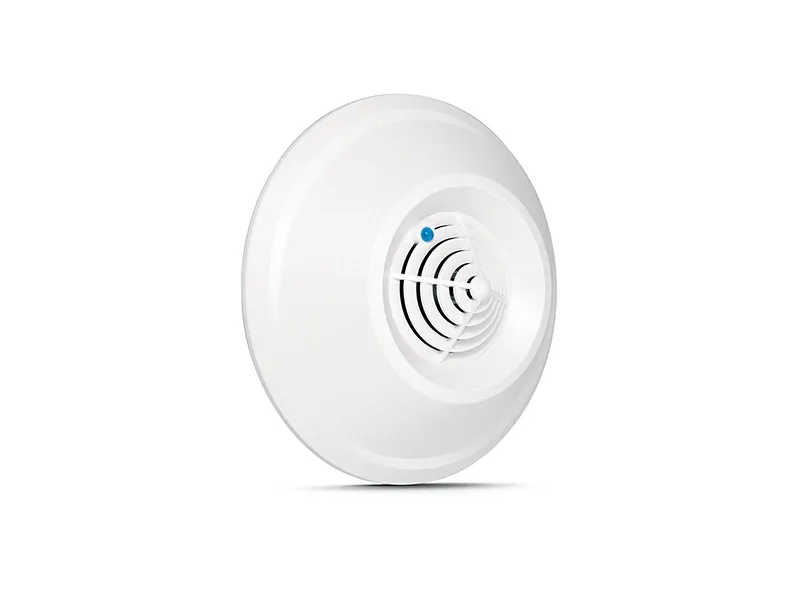
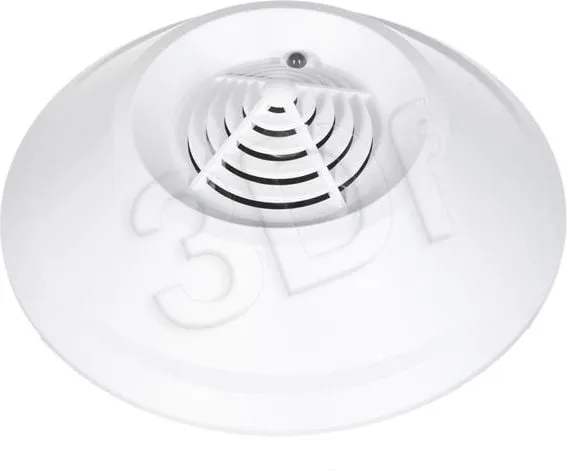
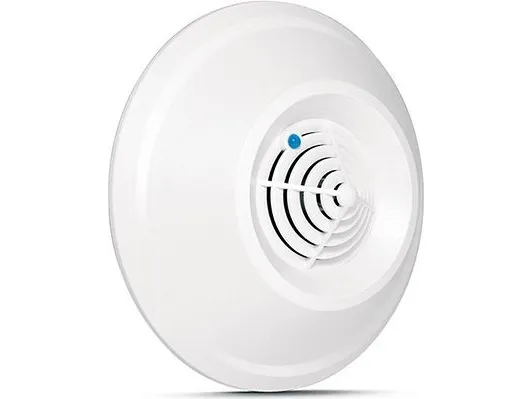
DG-1 TCM is a microprocessor-based detector of narcotic gases (e.g. trichloromethane vapors). It is recommended that you install it e.g. in bedrooms, watchman's lodges, security quarters, i.e. in places where the burglars may try to use narcotic gas to put the occupants to sleep before committing a burglary. Due to the nature of narcotic gases, which are heavier than air, the detector should be installed low, just above the floor of the supervised room. The digital algorithm of gas detection and the temperature compensation feature ensure correct operation over a wide range of ambient temperatures as well as immunity to false alarms. The device detects that certain level of narcotic gas concentration in the room has been exceeded, and triggers an alarm. With the built-in buzzer and blue LED, the DG-1 TCM detector can operate as a standalone detection/alarm device, but it is also designed to work as part of the alarm system. Owing to the self-diagnostics function, the supply voltage status and correct performance of the gas sensor are being constantly monitored, which ensures reliable operation of the detector.
Produktbeskrivelse
SATEL DG-1 TCM - trichlorometan sensor
Produkttype
Trichlorometan sensor
Integrerede komponenter
Summer
Dimensioner (B x D x H)
9.7 cm x 9.7 cm x 3.6 cm
Generelt
Produkttype
Trichlorometan sensor
Integrerede komponenter
Summer
Funktioner
LED-indikator
Mål og vægt
Bredde
9.7 cm
Dybde
9.7 cm
Højde
3.6 cm
Vægt
64 g
Miljømæssige parametre
Min. driftstemperatur
-10 °C
Maks. driftstemperatur
55 °C
The item is known under the following item numbers in our system
EAN:
5905033335394
Why do I find that the same product is available on different item numbers?
Manufacturers often release the same product with different item numbers, typically just different versions of the packaging. For example, the packaging may be targeted at different countries.
We try our best to unify the products, but it can happen that the same product appears on different item numbers in our system.